South Fulton and South Metro Atlanta service
Auto glass planning for Fairburn vehicles and local driving.
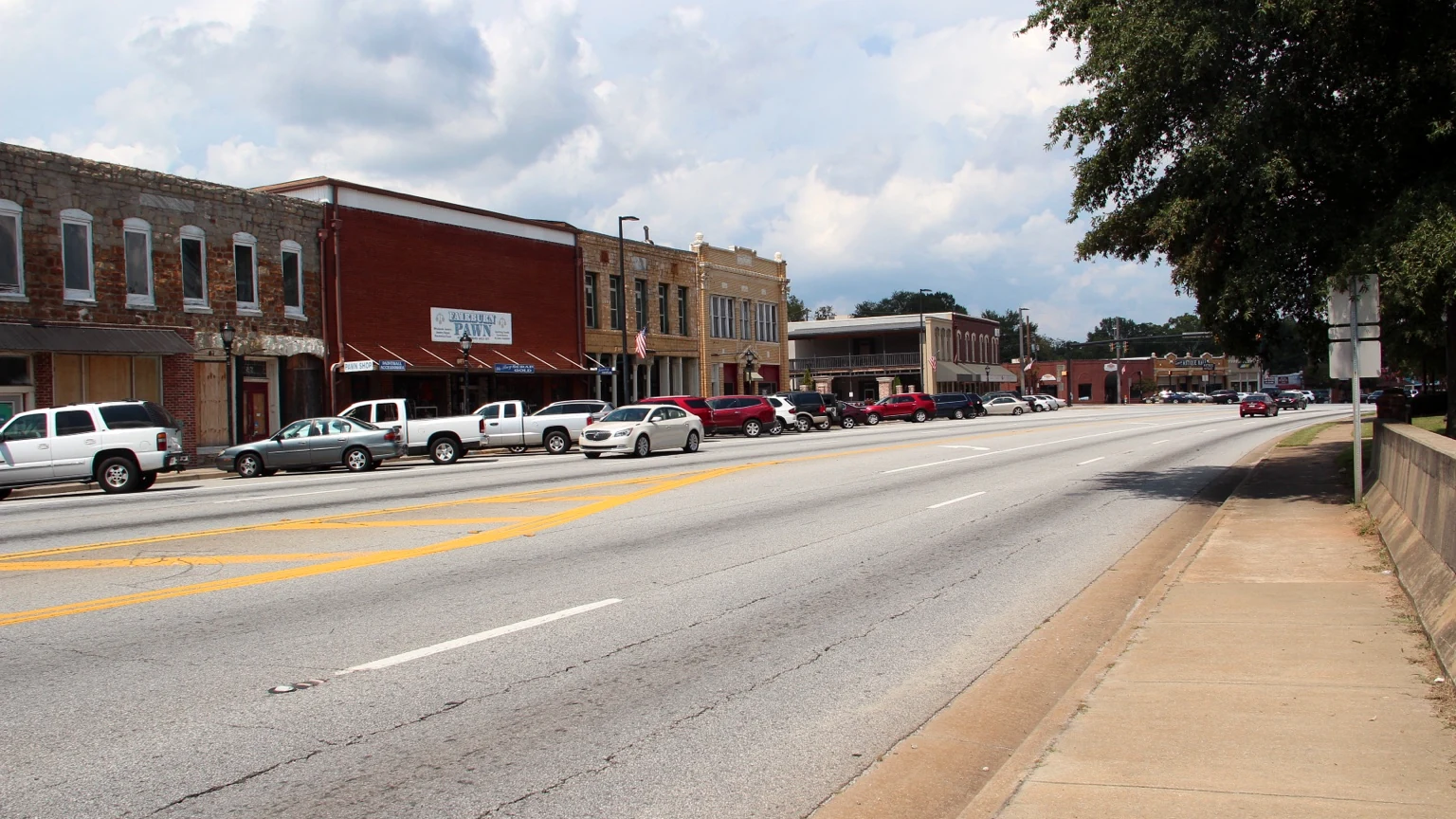
Fairburn drivers rely on vehicles for local errands, interstate commuting, airport-area travel, and commercial work. Fairburn combines a traditional downtown with fast interstate access, active distribution property, residential growth, and daily airport-area travel. The city is roughly twenty miles south of Atlanta, sits beside Interstate 85, and is close to Hartsfield-Jackson Atlanta International Airport. Fairburn also has a CSX intermodal presence, so local traffic includes commuters, family vehicles, delivery vans, work trucks, and fleet units moving through very different settings. That variety matters when planning auto glass work. A car parked behind a downtown storefront may have limited room around the doors, while a vehicle at a warehouse or office campus may require security approval, a designated visitor area, or coordination with loading activity. A driveway appointment can be simpler, but shade, slope, landscaping, and neighborhood parking rules still affect whether the location is workable.
Before scheduling, we identify the exact piece of glass and confirm the vehicle configuration. Windshields can differ by camera bracket, rain sensor, acoustic layer, heating feature, mirror mount, antenna, or molding package even when the year and model appear identical. Photos of the damage and the area around the mirror help narrow those choices. For broken door or rear glass, we ask whether fragments entered the regulator channel, cargo area, vents, or child-seat space, because cleanup and inspection may require additional time. We also discuss the vehicle’s next trip. A small chip on a car used only for local errands presents a different planning question than a spreading crack on a vehicle expected to enter I-85 traffic or make an airport run.
A suitable mobile work area should be firm, reasonably level, accessible from all sides, and separated from moving vehicles or active loading zones. Fairburn’s mix of downtown curb space, subdivision driveways, educational campuses, industrial sites, and large commercial lots means the service address alone does not tell the whole story. Gate instructions, property-manager approval, overhead clearance, nearby sprinklers, weather exposure, and the ability to keep pedestrians away from the work zone all help determine whether mobile service is appropriate. When those conditions are not available, we explain the alternatives before the appointment is placed on the schedule.