Lane assistance
Lane departure warning and lane keeping systems depend on accurate camera alignment to read road markings correctly.
ADAS Calibration
Modern vehicles depend on cameras, sensors, and safety-system calibration checks for lane assist, emergency braking, adaptive cruise, and other driver-assistance features. Interstate Auto Glass helps confirm when ADAS calibration may be needed and guides Atlanta-area drivers through the right service path.
Why calibration matters
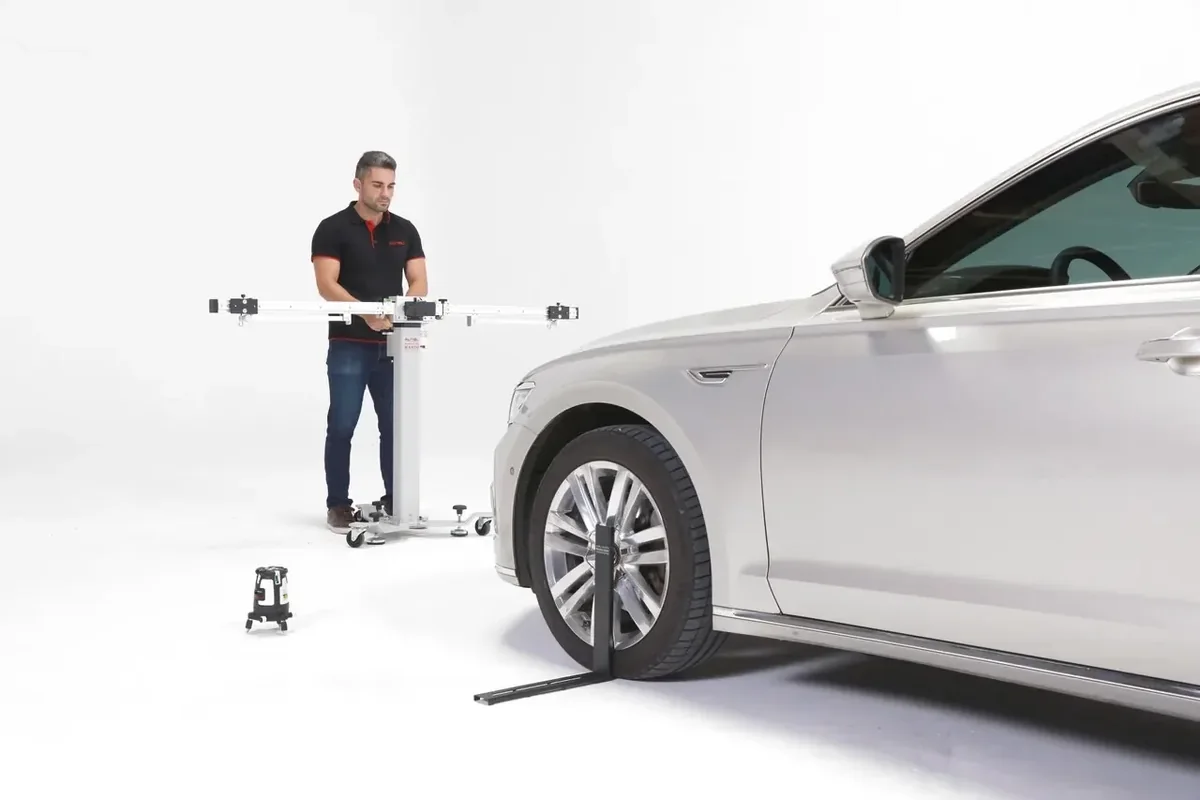
Many newer vehicles use forward-facing cameras and sensors mounted near the windshield to support Advanced Driver Assistance Systems. These systems can help with lane departure warning, lane keeping, automatic emergency braking, adaptive cruise control, and collision alerts.
When a windshield is replaced, the camera bracket, glass angle, and sensor view must be correct. Even a small misalignment can cause warning lights, disabled safety features, late responses, false alerts, or systems that do not perform as intended.
Systems we help protect
After glass replacement or camera disturbance, calibration helps confirm that driver-assistance cameras and sensors are aimed properly.
Lane departure warning and lane keeping systems depend on accurate camera alignment to read road markings correctly.
Forward collision and automatic emergency braking features need a correct sensor view to recognize objects and traffic ahead.
Adaptive cruise control may rely on calibrated radar, camera, or sensor inputs to help maintain proper following distance.
ADAS warning lights, disabled safety suites, or calibration errors can appear when the vehicle needs diagnostic attention.
Calibration types
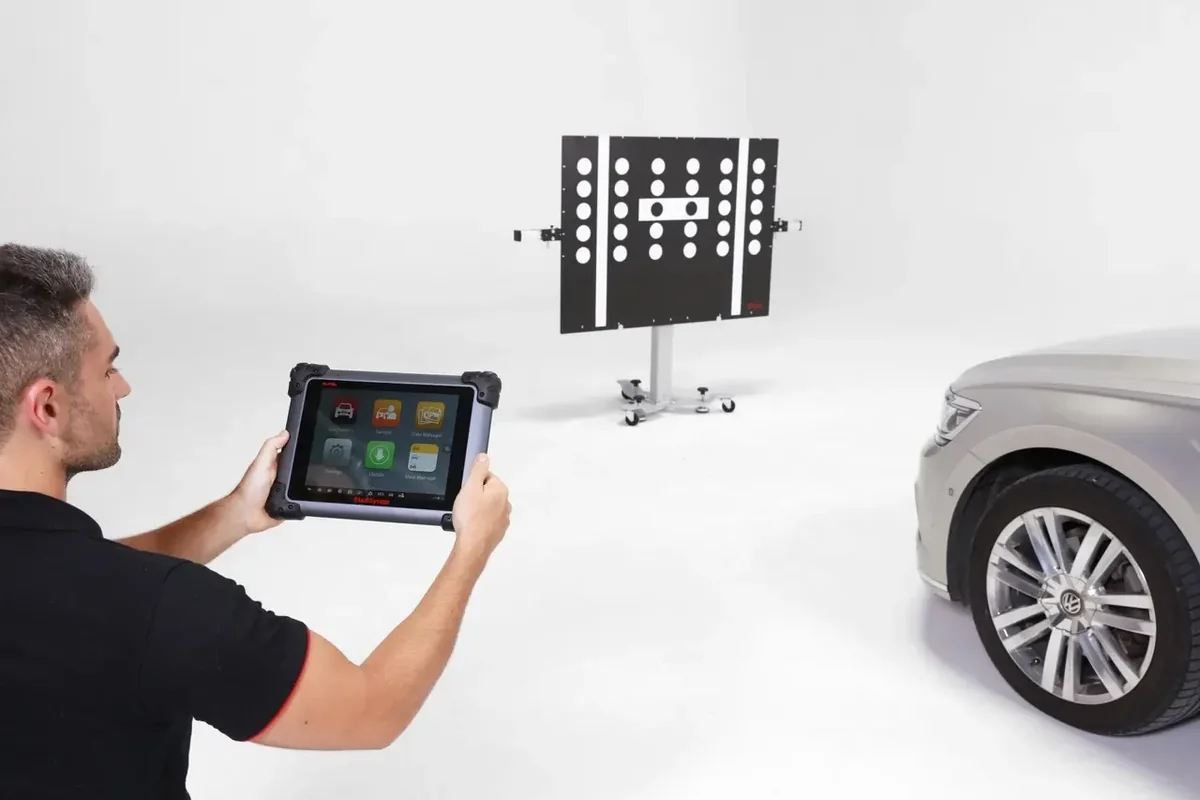
Static calibration is performed in a controlled setup using targets, measurements, and diagnostic procedures while the vehicle is stationary.
Dynamic calibration may require a controlled road drive at specific speeds and conditions so the camera or sensor can relearn its view of the road.
Calibration requirements depend on the make, model, trim, windshield type, camera system, and manufacturer procedure.
When calibration is performed, documentation can help with records, insurance, and confirmation that the service path was completed.
Mobile calibration support
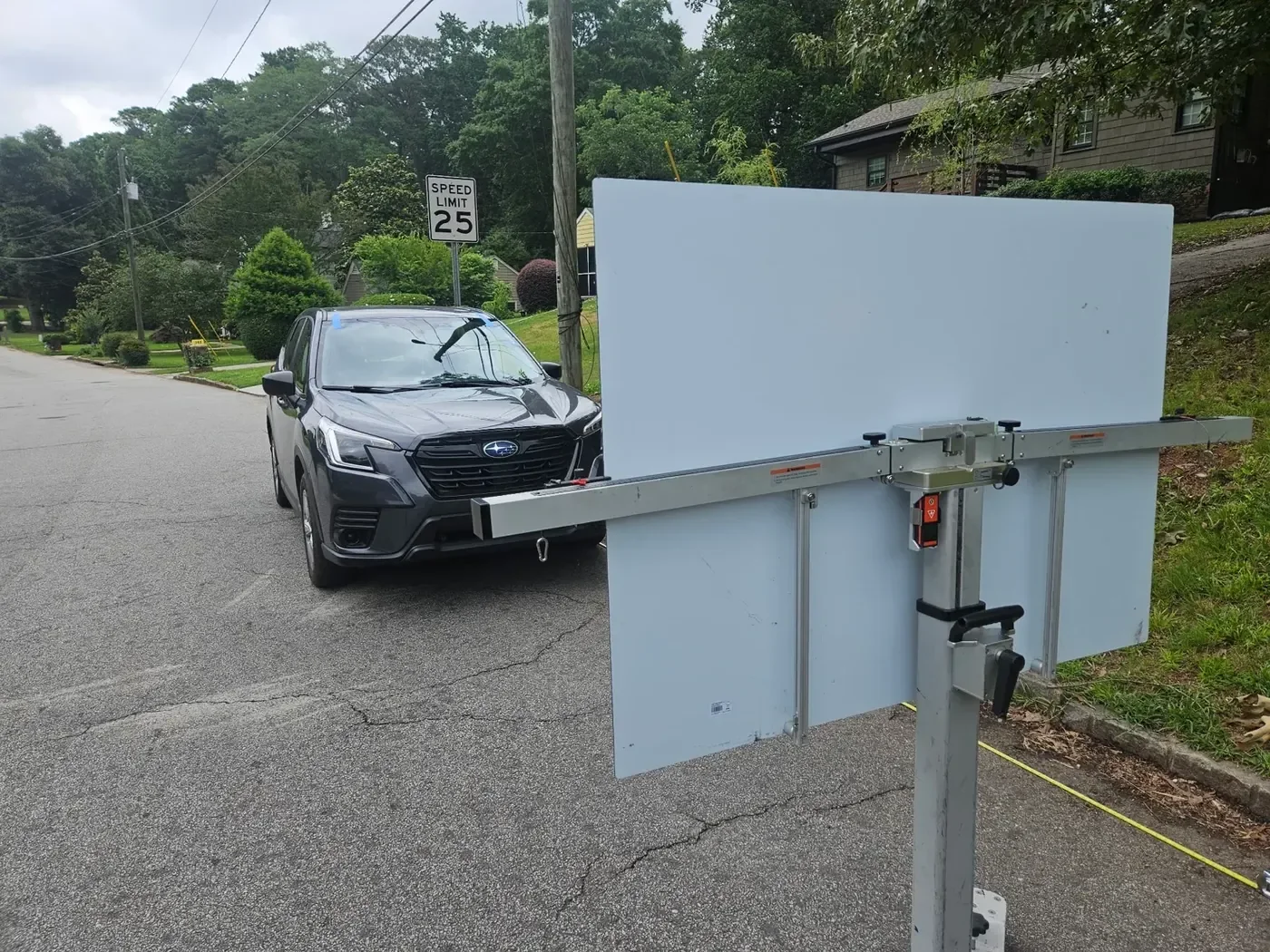
Mobile ADAS calibration depends on the vehicle, required procedure, available space, lighting, weather, road conditions, and whether the setup can be completed safely and accurately.
When a controlled shop-style setup is required, we will explain that clearly before scheduling so the service path matches the vehicle’s requirements.
When you may need it
Windshield replacement is one of the most common reasons for calibration, but it is not the only one. If your safety system camera has been moved, unplugged, or obstructed — or if the vehicle is showing ADAS warnings — calibration or diagnostic review may be needed.
ADAS calibration FAQ
If your vehicle has a windshield-mounted camera or driver-assistance safety features, calibration may be required after replacement. Requirements depend on the vehicle and manufacturer procedure.
The vehicle may show warning lights, disable safety features, or allow systems like lane assist and emergency braking to respond inaccurately.
Static calibration uses controlled targets and measurements while parked. Dynamic calibration may require a road drive under specific conditions so the camera or sensor can relearn the roadway.
Yes. Send your VIN, vehicle details, and a photo of the camera area so we can help determine whether ADAS calibration should be included in the service plan.
Sources and safety references
Driver-assistance features can warn a driver, intervene during a potential crash, or help with steering and speed control. Their names and requirements vary by vehicle, which is why the correct calibration path depends on the camera or sensor package and the manufacturer’s current repair information.
After windshield replacement or a camera-related repair, we help identify the appropriate next step. Calibration conditions also matter: vehicle modifications, existing diagnostic faults, target placement, lighting, and the work environment can affect whether a procedure can be completed accurately.
Request a quote
For a faster quote, include your vehicle year, make and model, which glass is damaged, your location, and photos of the damage.